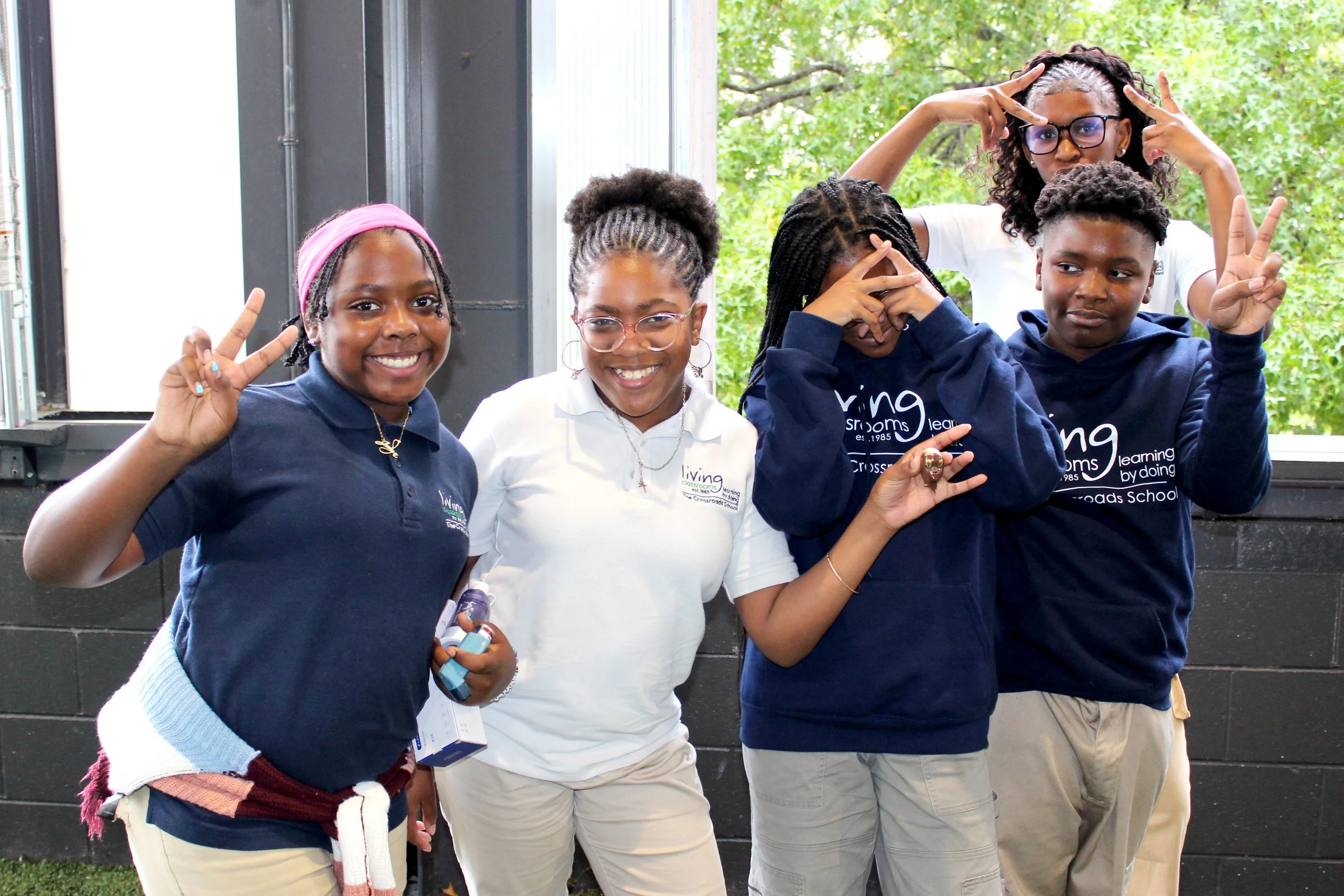
The K.O.D. Digital Toolkit
The K.O.D. Digital Toolkit serves as a centralized resource for schools, facilitators, and community partners participating in the Kids Off Drugs program. This toolkit contains educational materials, survey resources, prevention information, and program requirements to support successful implementation. Please review each section carefully and complete all required items, including the pre- and post-surveys, to help ensure a meaningful and impactful experience for students.
Get Ready for Your K.O.D. EVENT
Here’s everything your school needs to complete before participating in a K.O.D. event.
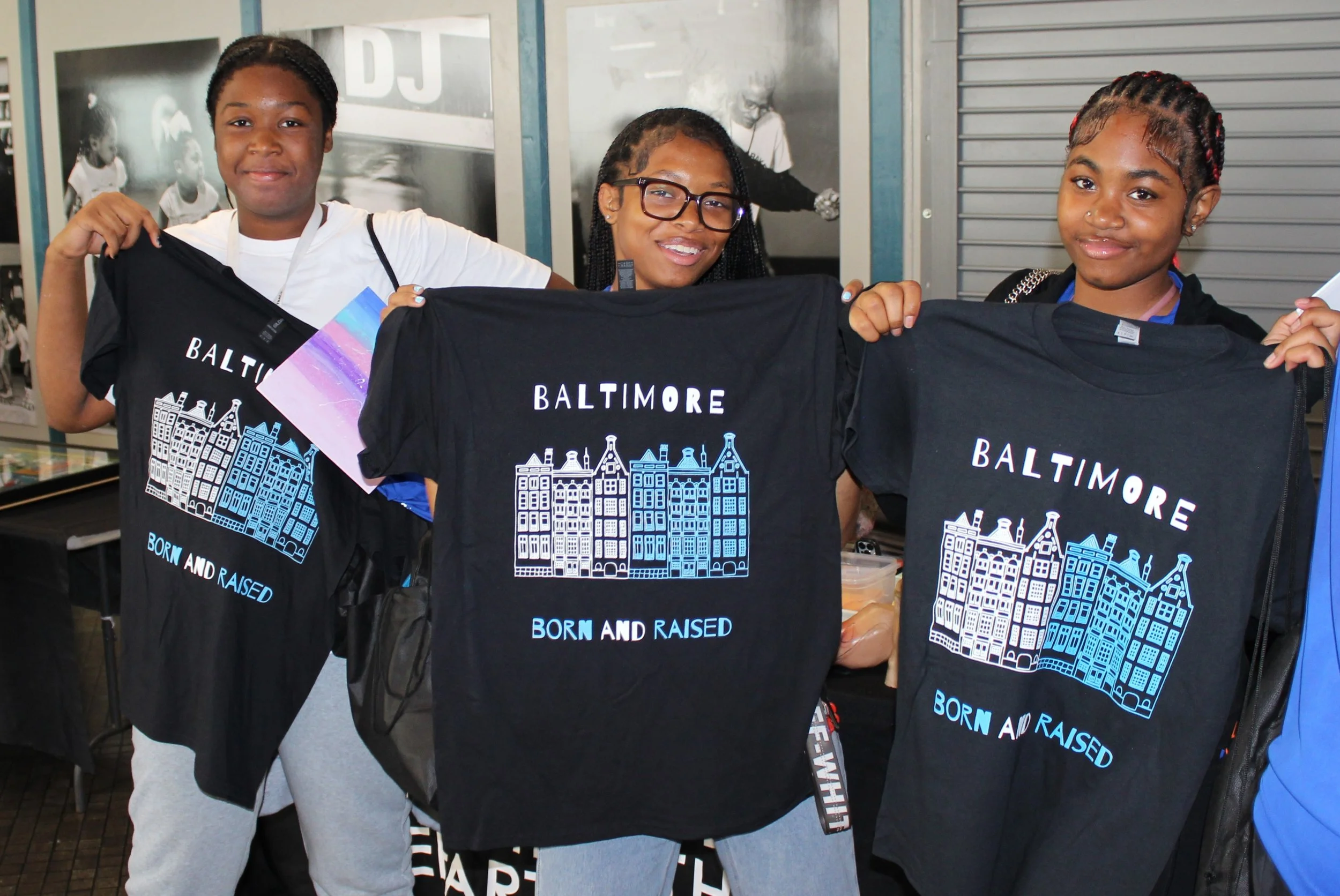
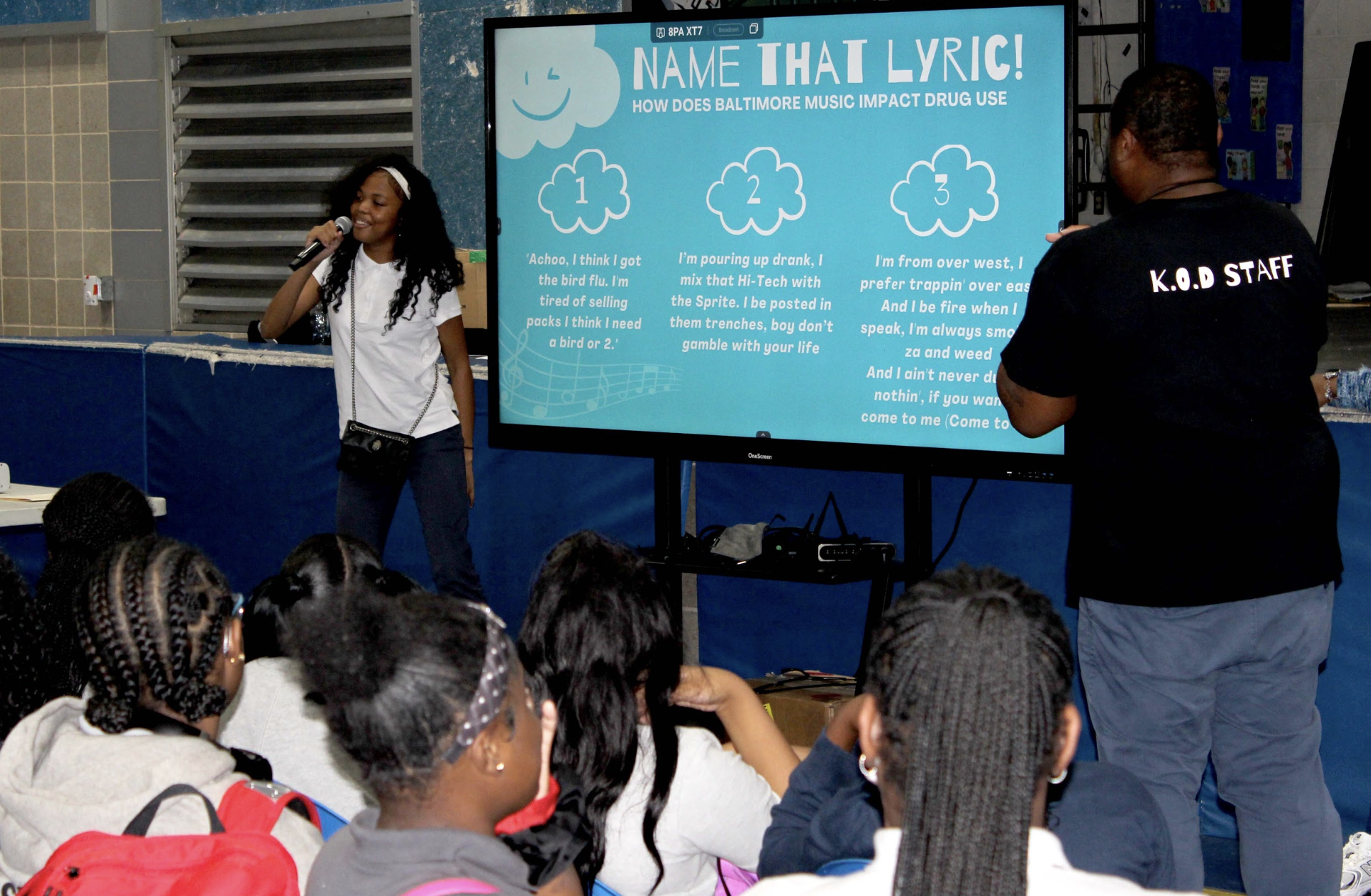
K.O.D. Introduction Presentation
This resource provides an overview of the K.O.D. program, what schools can expect, and the formats we offer.Disclosure Statement to Parents and Guardians
We want to ensure that parents and guardians are informed on what their students will be learning. It is the school’s responsibility to ensure that the disclosure is disseminated to all parents and guardians before the program.Disclosure Statement to Students
Students have a right to be informed on what they will be learning. It is the school’s responsibility to ensure that the disclosure is disseminated to all students participating before the program.K.O.D. Survey One Pager
This resource provides schools and facilitators with a guide to what information we collect, why we are collecting it, and where the information will live.
Program Surveys
K.O.D. uses anonymous pre- and post-program surveys to understand student knowledge before and after participating in our events. Participation is always optional, and answers are confidential. There are two options for administering the survey:
School-administered option
Students complete the online pre-survey no more than three days before the event.
K.O.D. staff administer the post-survey.
K.O.D. staff-administered option
K.O.D. staff administer both paper pre- and post-surveys on the day of the event.
Student Resources
Learn when and how you can use 988 for mental health, emotional, or substance use support for yourself, a friend, or a loved one.
Naloxone and Overdose Prevention

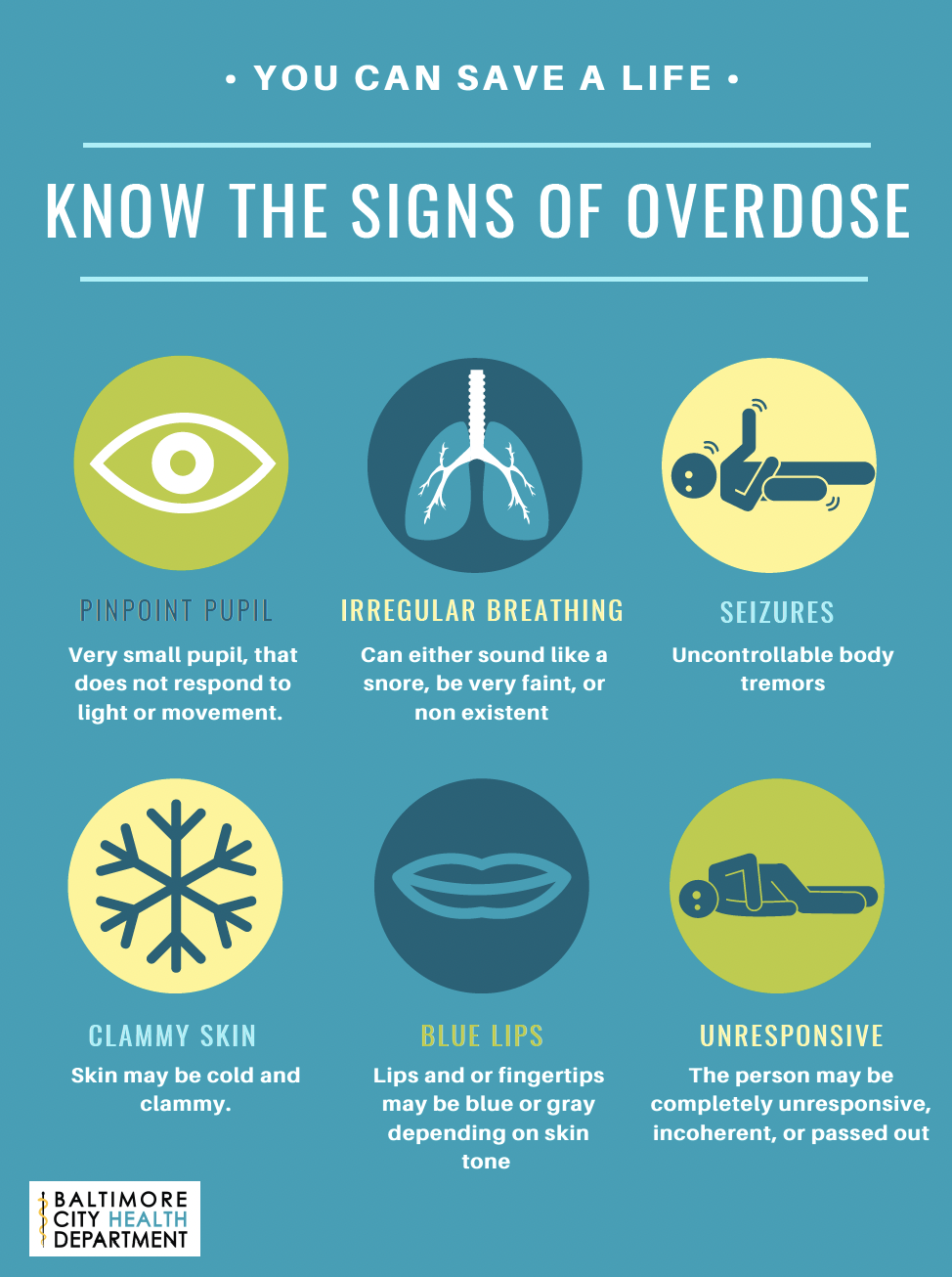
Learn what naloxone is, how it can reverse an opioid overdose, how to recognize the signs of an overdose, and what to do during an overdose emergency.
-
Naloxone is a medication that can quickly reverse an opioid overdose and save a life.
-
Naloxone works by knocking opioids off the brain’s opioid receptors and temporarily blocking them.
During an opioid overdose, drugs like fentanyl attach to those receptors and can slow breathing or stop it altogether. Naloxone binds to those same brain receptors more strongly, temporarily removing the opioids and allowing the person to breathe again.
-
There are many organizations and places that provide free naloxone (also known as Narcan) in Baltimore. There are some organizations that carry naloxone in case of a community emergency.
MTA Subway Stations
Emergency naloxone can be found in all Baltimore City MTA subway stations. Locate the white and purple naloxone boxes attached to the wall.Owings Mills
Old Court
Milford Mill
Reisterstown Plaza
Rogers Avenue
West Cold Spring
Mondawmin
Penn North
Upton
State Center
Lexington Market
Charles Center
Shot Tower
Johns Hopkins
Substance use education
Medication safety is important because taking medication incorrectly, sharing prescriptions, or using pills that did not come from a trusted pharmacy can be dangerous. Learning how to use, store, and dispose of medications safely can help prevent accidental poisoning, misuse, and overdose.
Only take medication prescribed to you.
Never share medication.
If you have medications at home, make sure they are inaccessible to children and others who may live in the home.
There are risks when buying and using pills off of the street. Sometimes they are real prescriptions but oftentimes they are not. With counterfeit pills there is a high likelihood of exposure to fentanyl or other substances that you didn’t intend to buy.
Helping Yourself or Someone Else
It can be hard to know what to do when you’re concerned about a friend. Learning how to recognize warning signs and where to get help can make a real difference.
Talk to a trusted adult.
Check in with your friend.
Don't promise to keep an emergency secret.
Call 911 for an overdose or immediate medical emergency.
Call/text 988 for mental health or substance use advice.
Don't put yourself in an unsafe situation by trying to help.